Bold Lines and Bubbles: The Art of 1966
by Aaron Mathieu, Whitley County Historical Museum Director
The Scott Package Liquor store located at 312 South Main Street was built in 1966 by Lyman and Mary Lucile Scott. The building was built by William Carey, a South Whitley contractor and it was labeled as “South Main Street’s greatest improvement in a quarter-century” by the local newspaper. It was a 28’x60’ tan brick building.
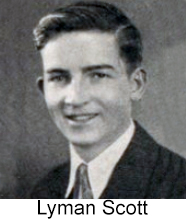
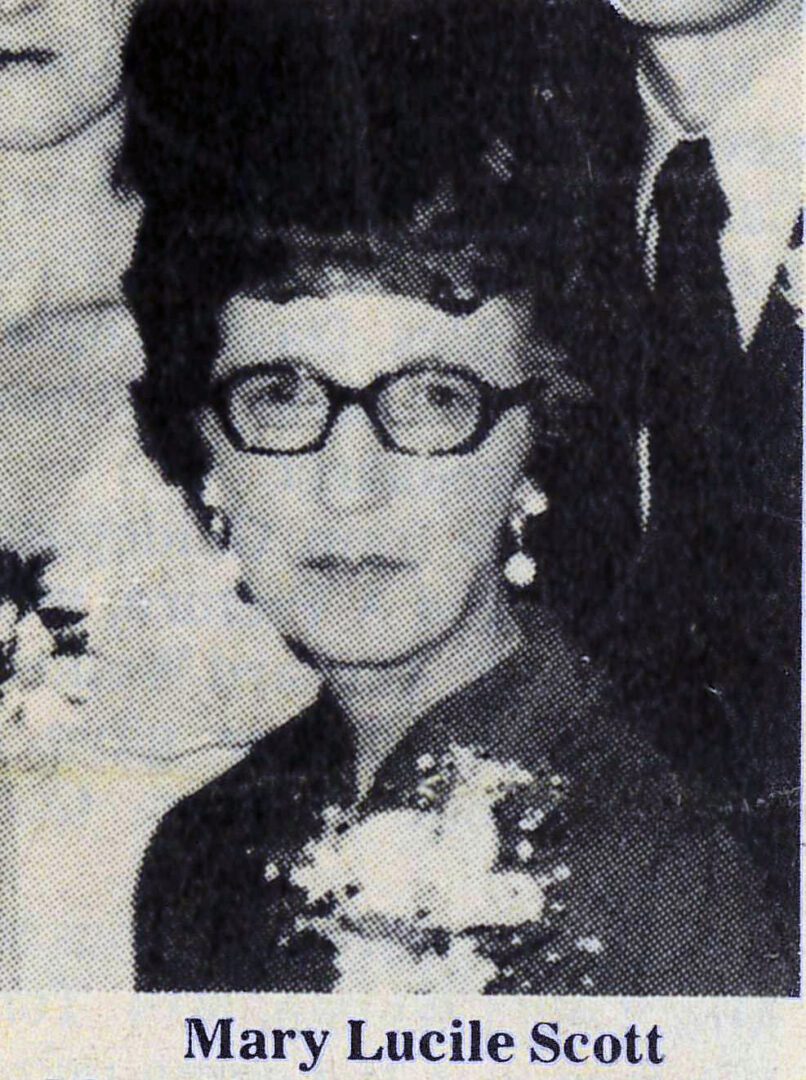
Lyman Scott built this for his package liquor store which was originally located a block north. The store was purchased by the Scotts from M.E. Ennis. The building had a gable roof running its length. The front walls were mainly plate glass across the front facing Main Street and along the North Side facing the parking lot – much like it is today. It had an open ceiling with laminated wood beams. The ceiling was 3” tongue and groove decking with its natural finish. The room lighting was four tube flour fluorescent fixtures. There was a dedicated unloading area and an 8×12 walk-in cooler along the rear wall. An ice machine was next to the cooler.
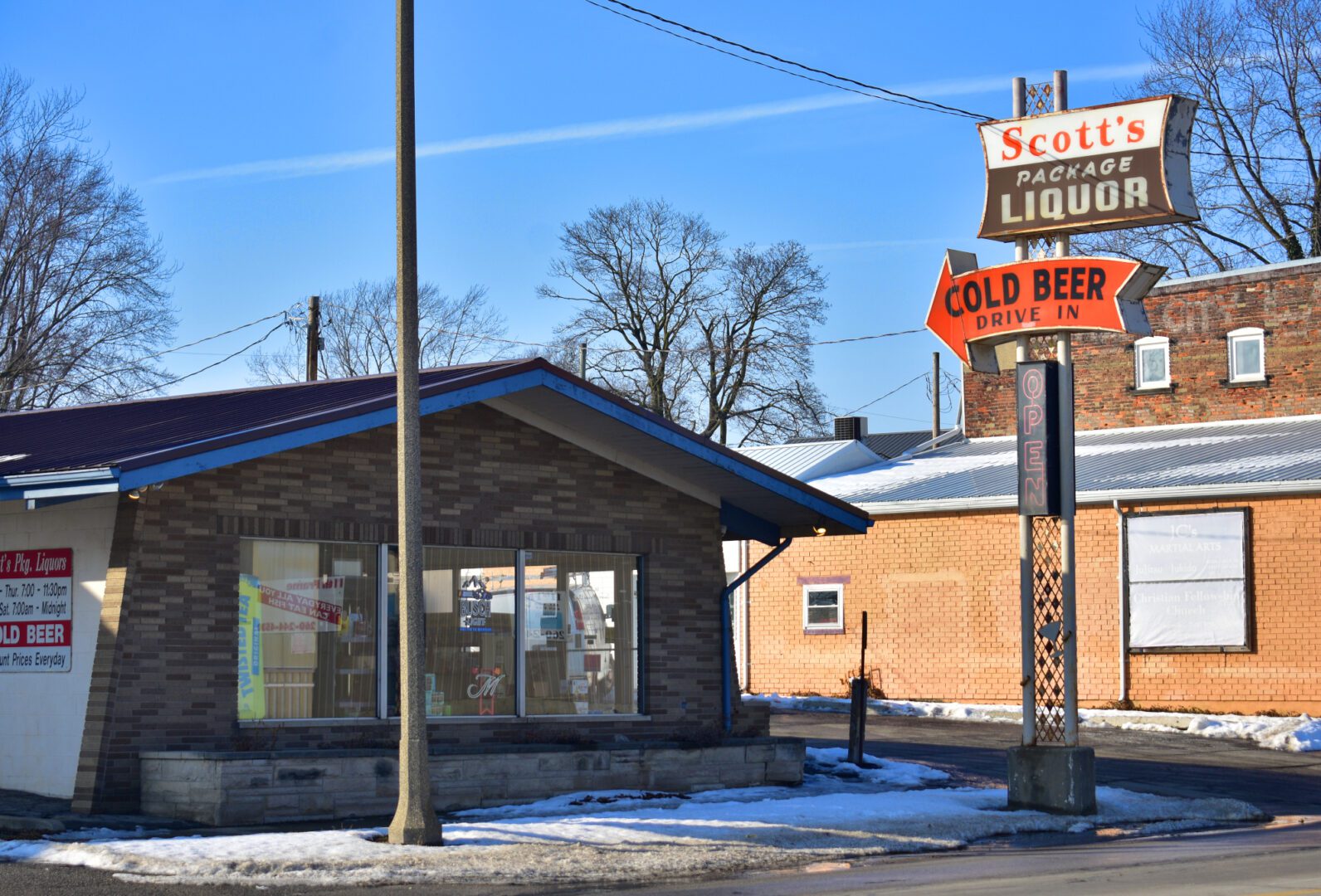
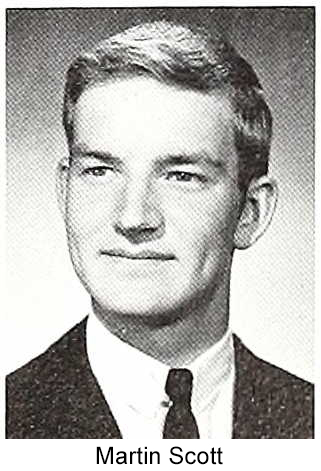
When the building first opened, the staff included Lyman Scott, his wife, Lucile Scott, Miss Mary Hancock and a part-time clerk, Leonard Luther. Before purchasing the City Package Liquor Store from Mr. Ennis, Lyman worked for the Standard Oil Company for 23 years. Prior to purchasing the liquor store, he sold his Standard Oil Company station located on Ellsworth and Main Streets. After Lyman had passed away, Lucile and their son Martin Scott managed and ran the business.
Thank you to Aaron Mathieu for his outstanding research and writing of the article and the Whitley County Historical Museum for sharing photos from its collection.
𝑾𝒉𝒆𝒓𝒆 𝒂𝒓𝒆 𝑾𝒆: 𝑨𝒓𝒄𝒉𝒊𝒕𝒆𝒄𝒕𝒖𝒓𝒂𝒍 𝑯𝒊𝒔𝒕𝒐𝒓𝒚
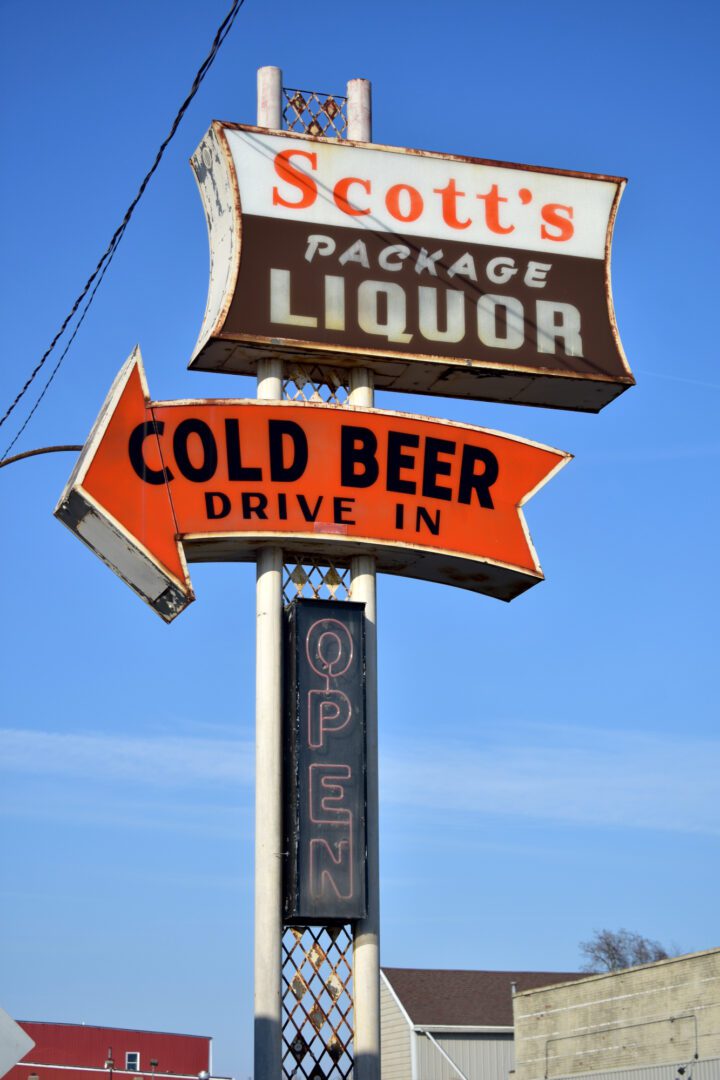
This festive cocktail glass and its cartoon-ish bubbles can be found attached to the sign for Scott’s Package Liquor, 312 South Main Street.
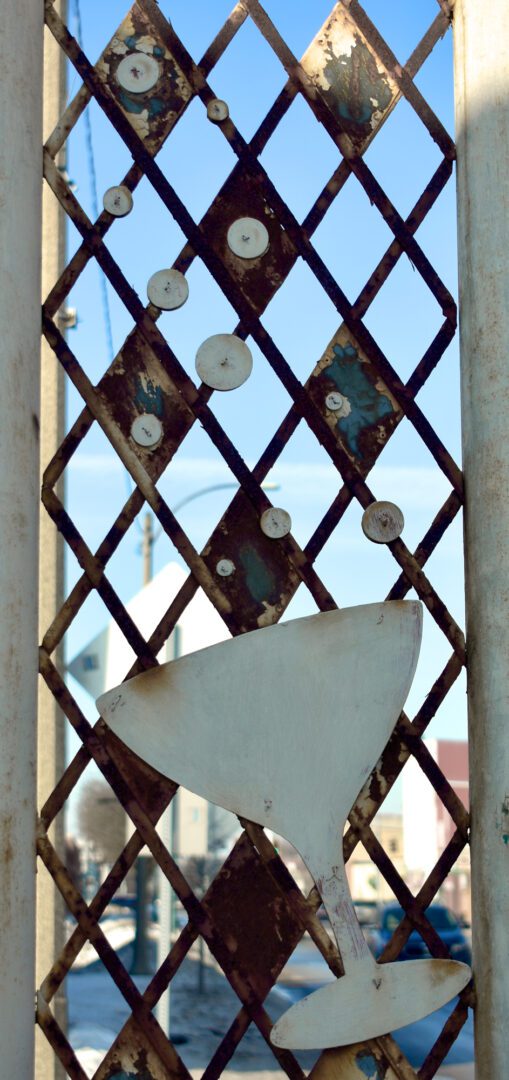
Built in 1966 during the popularity of the Mid-Century Modern (MCM) architectural style, Scott’s sign and building are typical of the era. MCM signs used new materials like internally-lighted plastic and aluminum panels combined with neon and steel in bold geometric shapes. Whimsical features, like the cocktail glass and bubbles, were often added to catch the eye of passing motorists. The era crossed between the more arty styles of the 40s and before and the more utilitarian styles of the 70s and 80s.
The building itself, a low, ranch-like structure with earth-toned brick facade, broad eaves, big picture windows, and a cut stone planter, is also characteristic of MCM. Even the City’s concrete lamppost is of the same style.
It is a real achievement that Scott’s has been able to maintain the building style and the business for going on 60 years!
Thank you to Nathan Bilger for providing the recent photos and valuable insights into the architectural history.
For more Columbia City History, check out the Windows into History series at the Columbia City Connect’s website: Windows into History Archives – Columbia City Connect