From Columbia City to Every Mail Route in America
by Aaron Mathieu, Whitley County Historical Museum Director
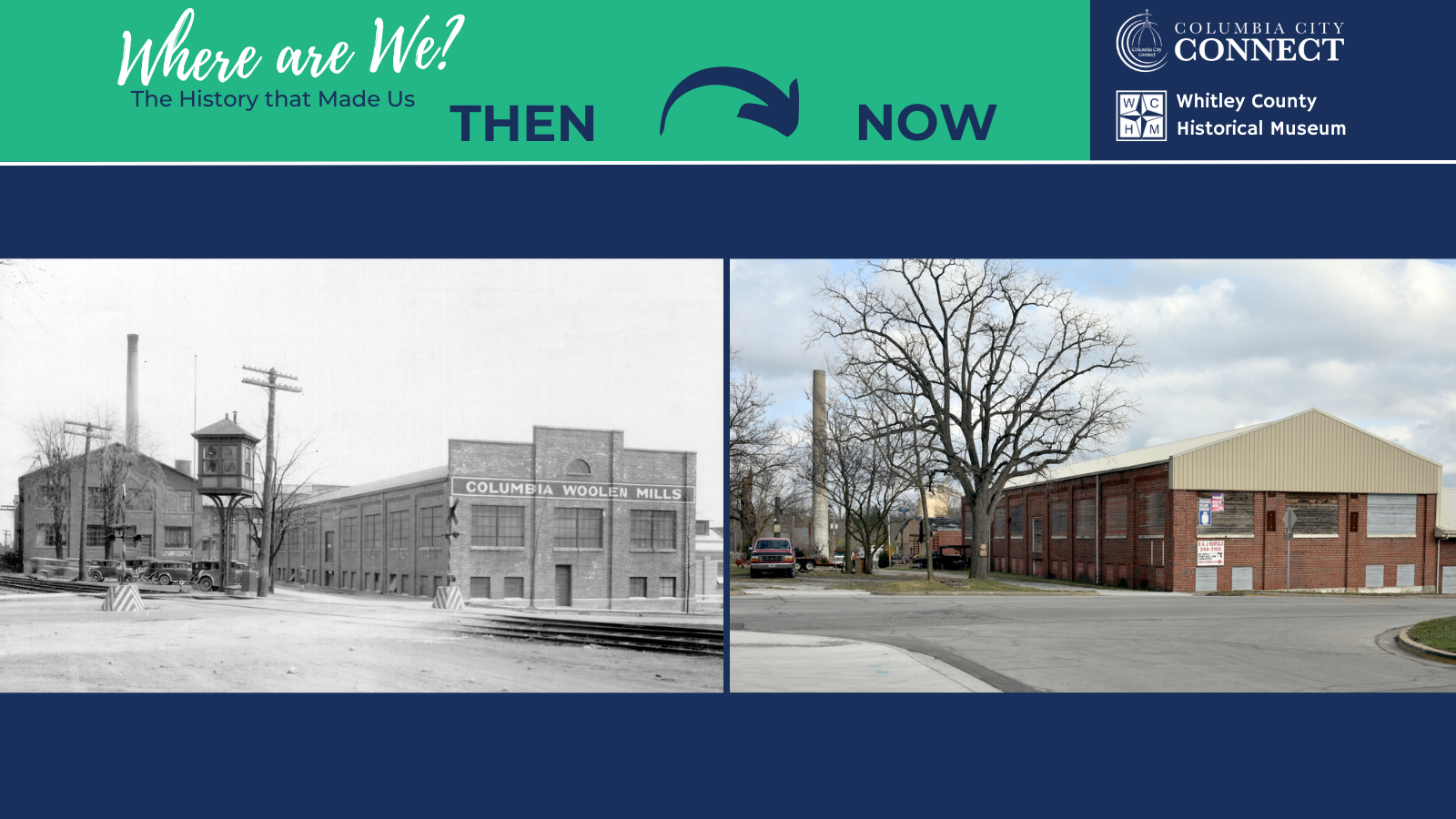
The Columbia Woolen Mill was founded at 415 South Main Street, Columbia City in 1914 under the leadership of William Franklin Fisher. Born in Noble County in 1865, Fisher learned the inner workings of woolen mills beginning at the age of 10 as he worked alongside his father. For the next forty years, Fisher moved up the working ranks at the Eyanson Woolen Mill, and eventually worked his way up to take on the superintendent position at the South Bend Woolen Mill. He settled there until his return to Columbia City to open his own woolen mill – the Columbia Woolen Mill.
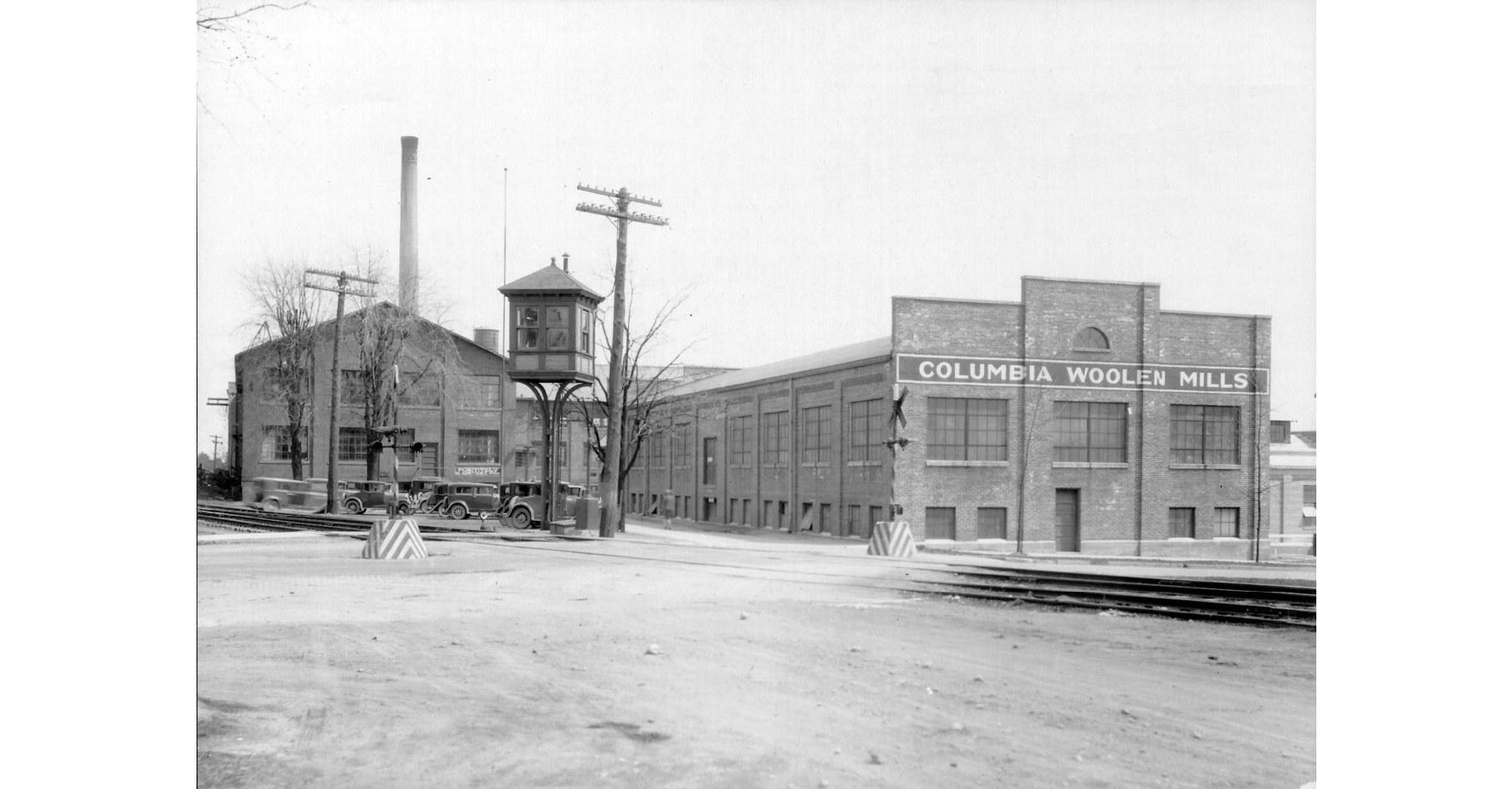
In the early spring of 1914, the site for the Columbia Woolen Mill had been chosen. Its proximity to the Blue River supplied to factory with soft water which was essential for wool manufacturing. The location of the mill also benefitted from the nearby railroad tracks. Good relations with the Vandalia Railroad Company secured the Columbia Woolen Mill with a new side track alongside the Mill. This made shipping far more convenient.
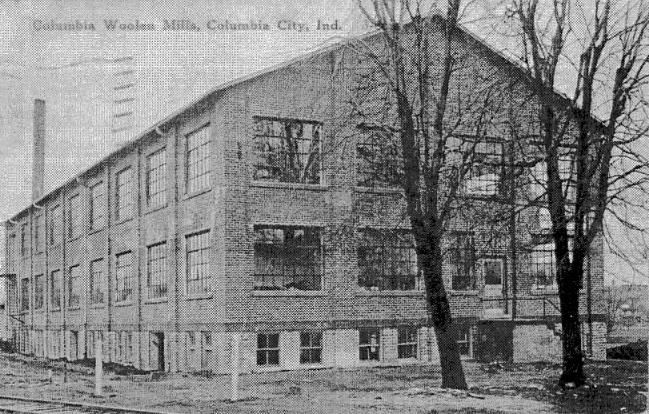
Throughout its operation, the Columbia Woolen Mill was known for its production of high-quality fabric. As business picked up, the Mill expanded by building large additions, adding more looms, spinning jacks, and other machinery, and by investing in more employees. For almost forty years, the Woolen Mill produced wool clothing, automobile upholstery, military uniforms (including the US Navy), civilian blankets as well as military-grade blankets used by the British Army. The Mill also created Columbia Cadet Cloth which was used in the 1920s to make uniforms “worn by the letter carriers in every city in the United States except Louisville, Kentucky.” At its peak, the Mill boasted of its success in producing an average of 5,000 yards of cloth in a 40- hour work week.
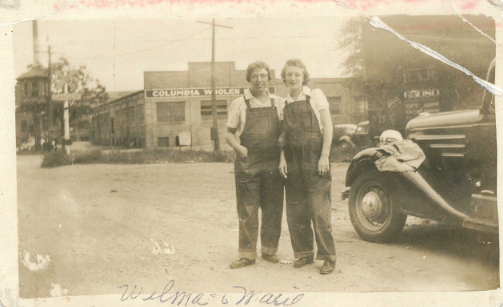
William Fisher passed away in 1950 and left the presidency of the Woolen Mill to his son Merle Fisher. His obituary, which was published on November 24, 1950, credited his success running the Columbia Woolen Mill by sharing that “it is believed that no other mill in the country has had such an outstanding record of almost continuous operation through wars, slowdowns, peacetime, and depressions.”
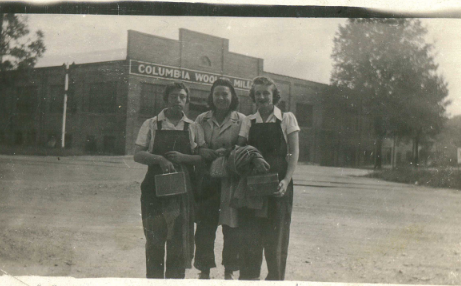
Unfortunately, all good things must eventually come to an end and in April of 1953, the Woolen Mill was idled. The invention of synthetic cloths and fixation on convenience caused the woolen industry to slow and the mill was closed after economic conditions took a downturn.
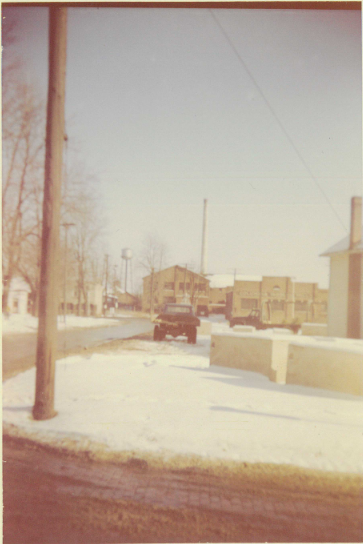
Thank you to Aaron Mathieu for his outstanding research and writing of the article and the Whitley County Historical Museum for sharing photos from its collection.
𝑾𝒉𝒆𝒓𝒆 𝒂𝒓𝒆 𝑾𝒆: 𝑨𝒓𝒄𝒉𝒊𝒕𝒆𝒄𝒕𝒖𝒓𝒂𝒍 𝑯𝒊𝒔𝒕𝒐𝒓𝒚
These bricks are pretty in their plainness, yet they represent a very traditional American architecture.
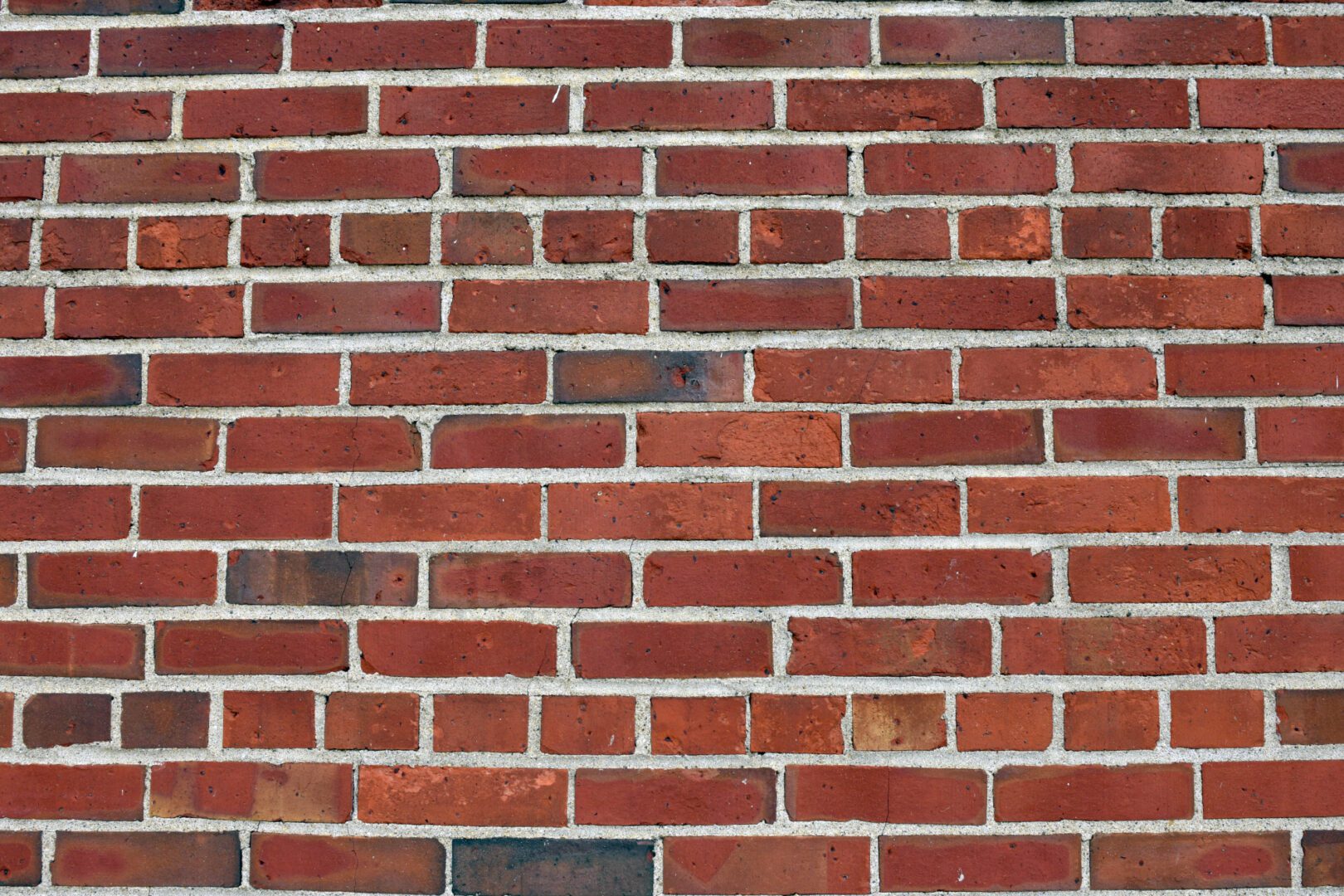
This brick wall is part of the former Wayne Woolen Mill, and more recently B & J Equipment at 415 South Main Street. Built in 1919, the structure has a very utilitarian appearance and is easy to overlook among the more ornate buildings in downtown.
But, like virtually all of downtown’s brick historic buildings, this brickwork was laid using an American bond. In architecture, a “brick bond” is the pattern of arranging brick lengthwise (brick stretcher) and perpendicularly (the brick ends) on each row (course) to create a self-supporting wall. Here, there is a row of ends, then six courses of stretchers, and another course of ends before it repeats upward.
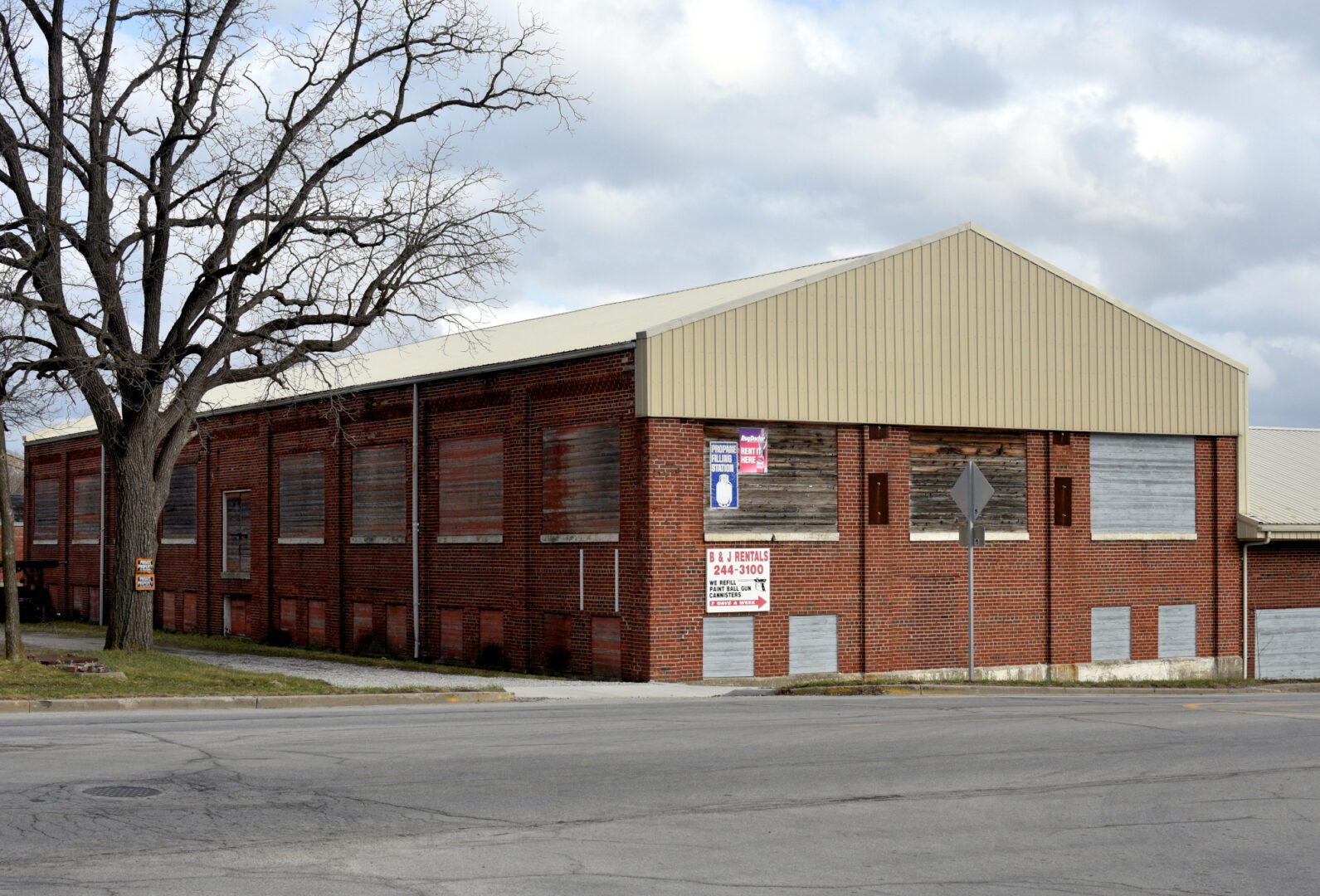
It is known as an American common bond because it was used so frequently in 19th Century American buildings, no matter the architectural detailing. Because every end course used 50% more brick than the stretcher courses, laying an end course only every seventh layer balanced cost with structural stability—saving money for more impressive cornices or stonework, or likely in this case, for operating the business itself. Very important considerations in growing America.
Thank you to Nathan Bilger for providing the recent photos and valuable insights into the architectural history.
For more Columbia City History, check out the Windows into History series at the Columbia City Connect’s website: Windows into History Archives – Columbia City Connect