Faith on the Corner
by Rachael Hartman, Whitley County Historical Museum curator
The Methodist church that called the church on the corner of Jackson and Chauncey streets home for many years may have been one of the oldest organized religious groups in Columbia City.
With a class of 10 people, a church of the Methodist denomination first began in Columbia City in 1840. It was presided over by Samuel Smith, who was a circuit preacher. The first local minister was Elijah Sillison. At first the congregation met in a shop south of the first courthouse. In 1843, membership had grown to 16 and services were taking place in the courthouse.
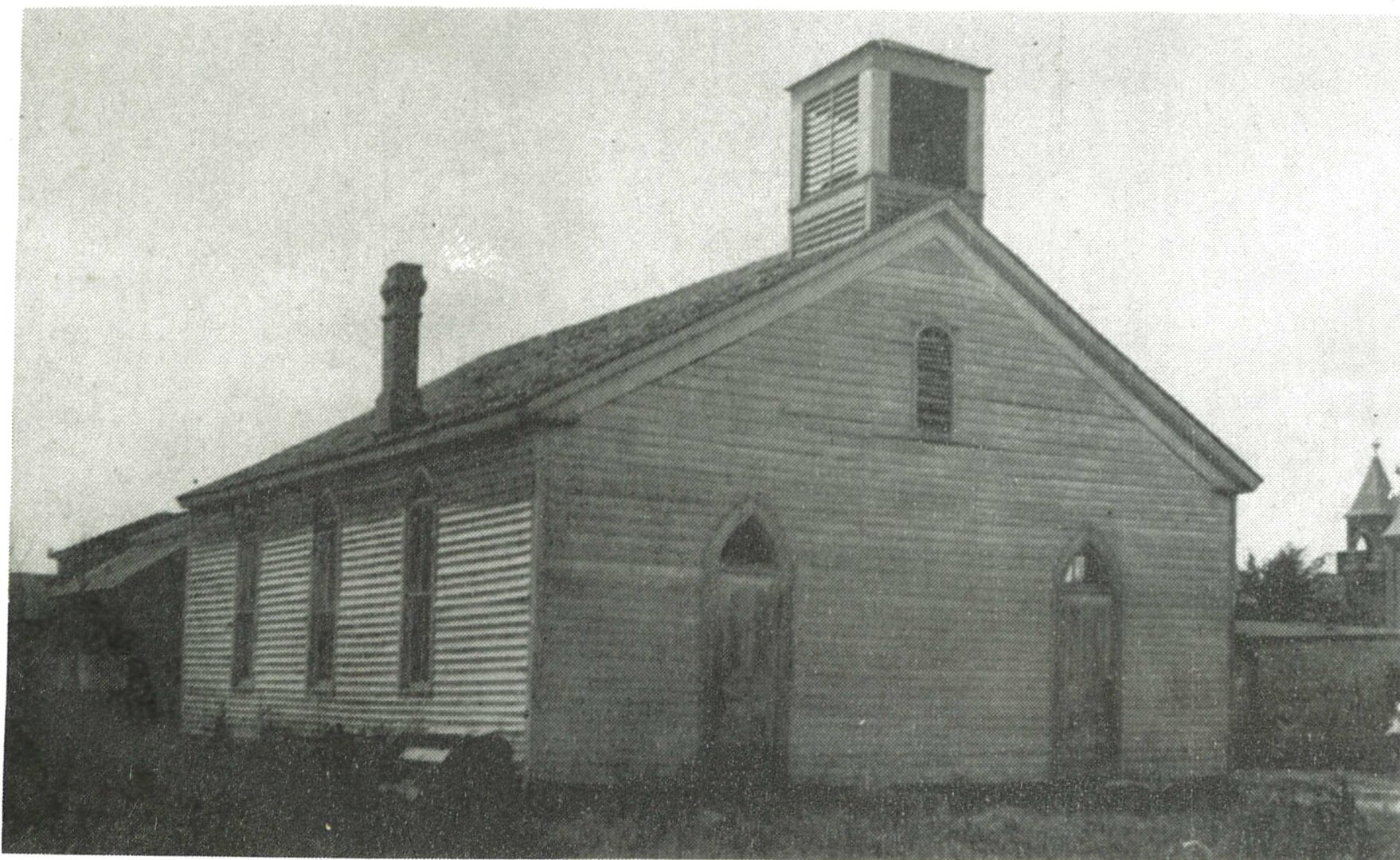
These church members began to envision a house of worship of their own. This first place took shape in 1846 after Isaac Shinneman had agreed to donate a portion of his farmland adjacent to the city specifically for a church. It became known as “Lily White Church” and it was located on the west side of Line Street, a half a block south of Van Buren Street. It came at a cost of $500 and served the church well as it grew. Then, in 1878, the building was sold to the Universalists.
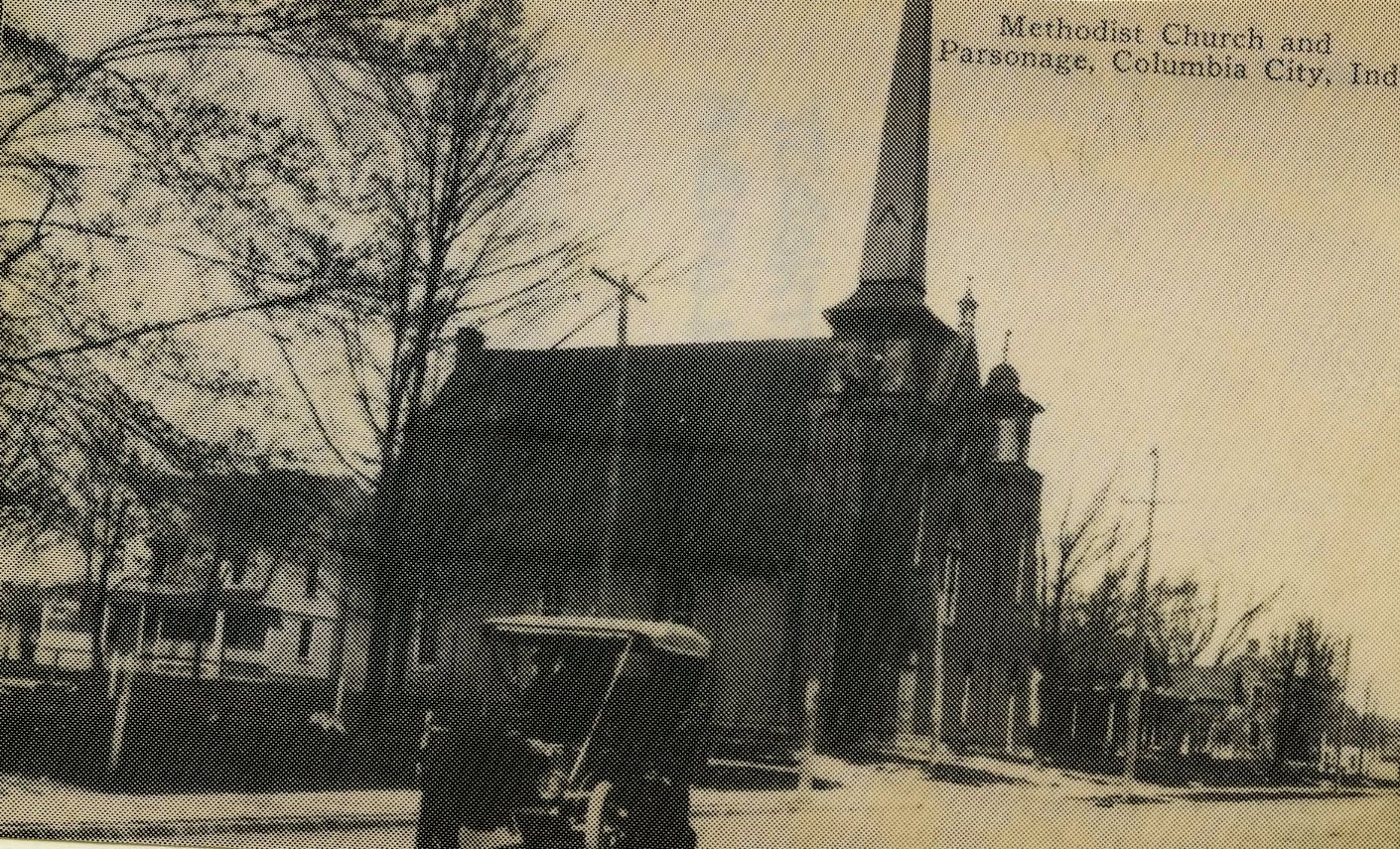
It was during this time that work began on a new and much larger church for the Methodist congregation. A Gothic style church was built on the corner of Jackson and Chauncey streets, which was dedicated November 27, 1878.
Under the leadership of Pastor Dr. F.G. Browne, in 1910, thoughts began to turn to the construction of a new church to replace the Gothic style. This came to closer fruition in 1912, under Pastor C.W. Shoemaker, who began to raise money. By the fall, $11,000 in money and pledges had been raised. Construction was started in 1913 and the cornerstone of the church was formally dedicated in June of that year. The church was completed and a dedication took place on May 31, 1914. The total cost of construction was $25,000.
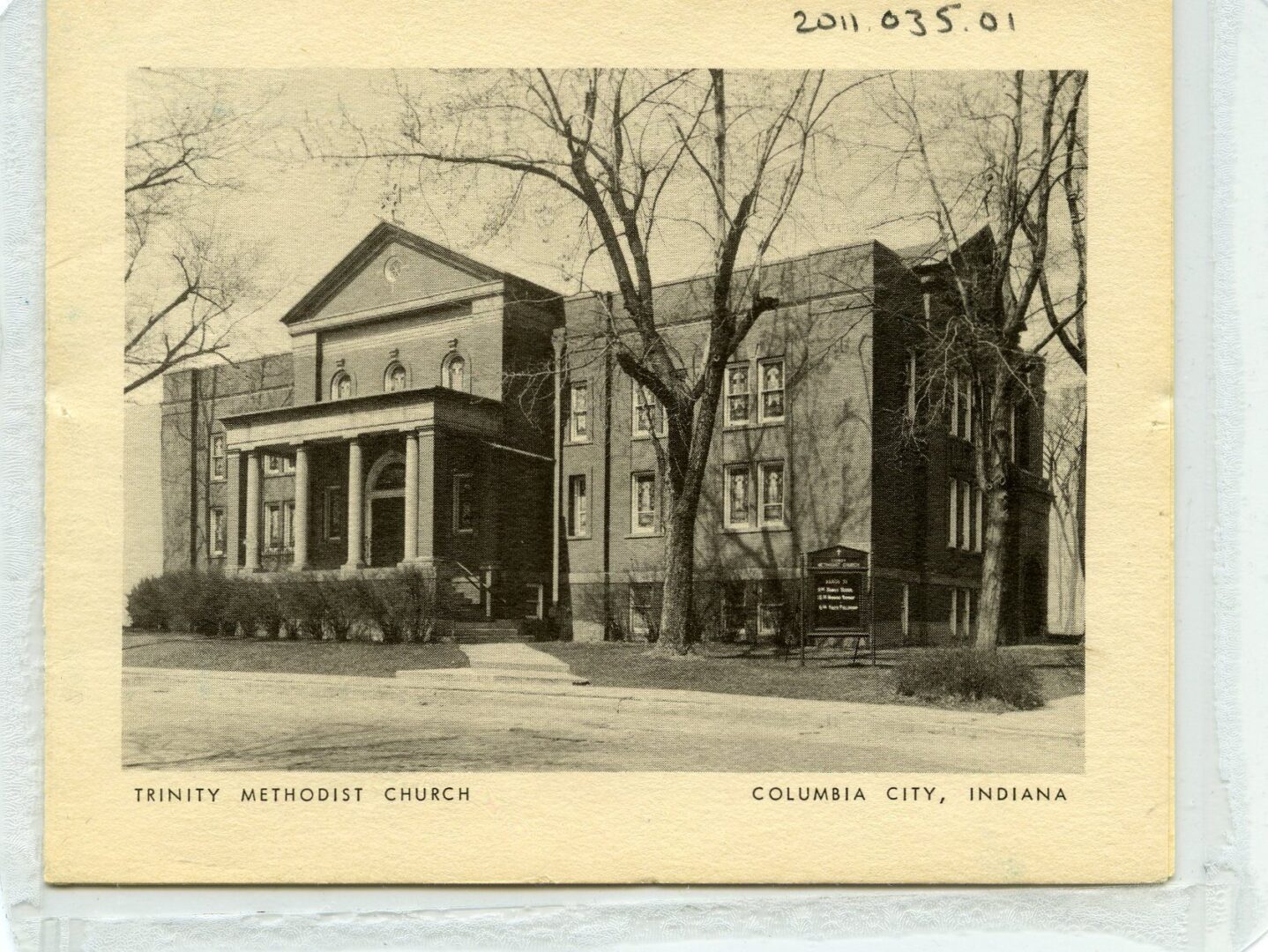
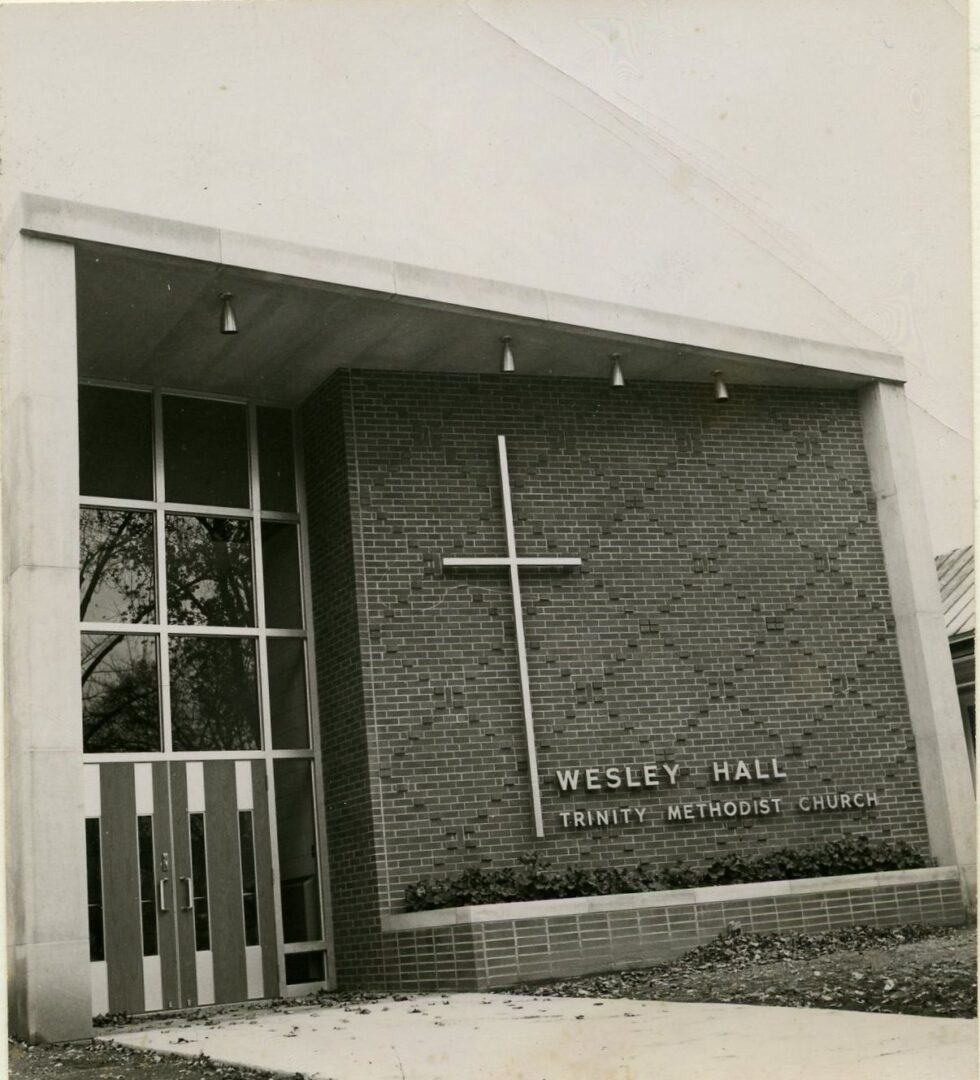
With a desire for more classroom space for Sunday School, a vision began to take shape for further expansion of this church structure after property was purchased for the lot north of the church facing Chauncey Street in 1956. It would take several years but Wesley Hall was dedicated November 6, 1960.
The Methodist Church underwent different name changes over the years as well. When it first began, it was recognized as the Methodist Episcopal church. Episcopal was dropped from the name by the United Conference years later, and the congregation chose to create a name that was unique to them. Church members chose the name Trinity Methodist Church, which was formally adopted in 1939. It became Trinity United Methodist when it merged with the Evangelical United Brethren denomination in 1968. On May 24, 1970 Christ United Methodist Church merged with Trinity United Methodist Church, and this congregation became known as Columbia City United Methodist Church.
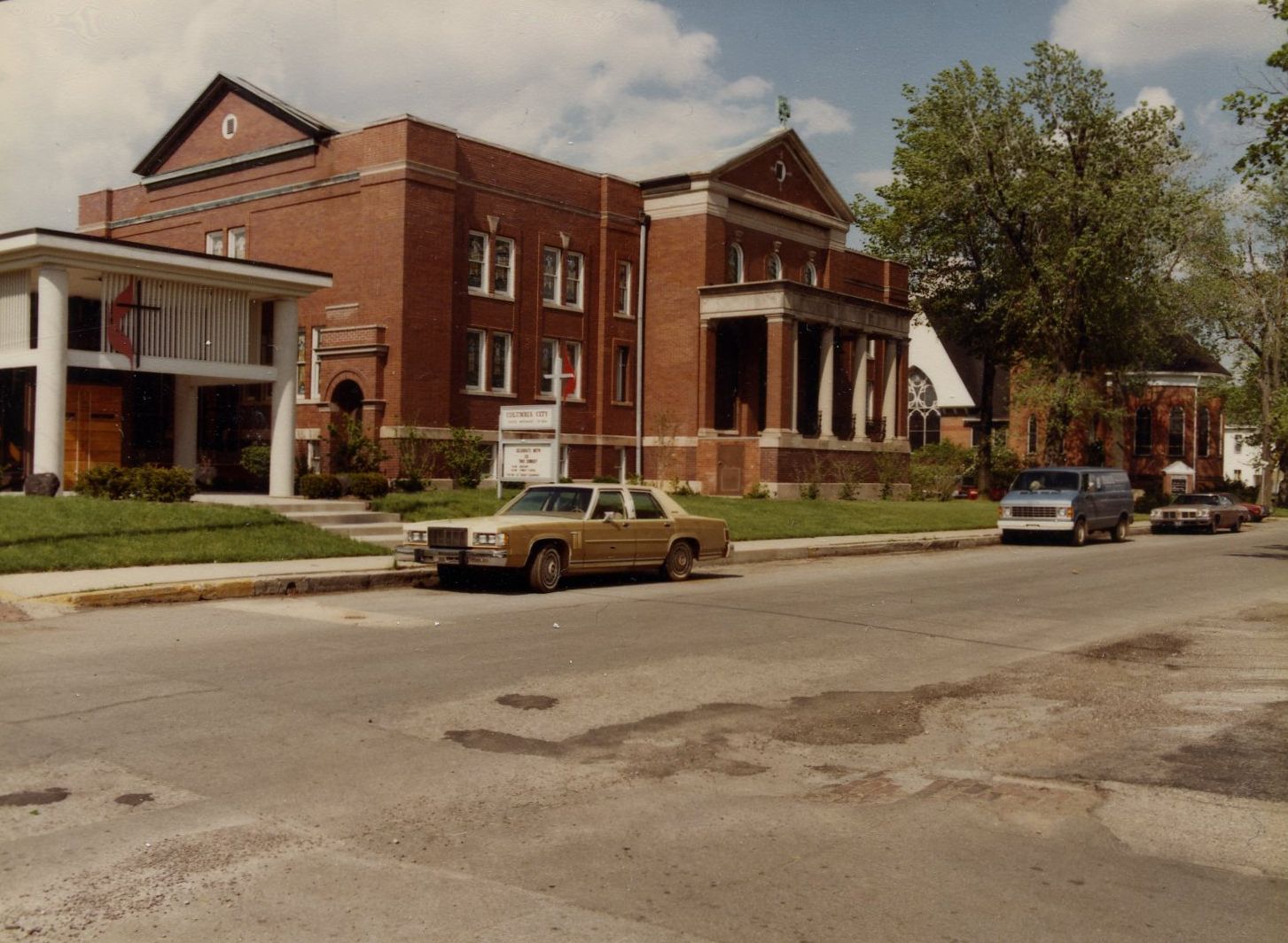
Today, Community of Hope calls this church building home.
𝑾𝒉𝒆𝒓𝒆 𝒂𝒓𝒆 𝑾𝒆: 𝑨𝒓𝒄𝒉𝒊𝒕𝒆𝒄𝒕𝒖𝒓𝒂𝒍 𝑯𝒊𝒔𝒕𝒐𝒓𝒚
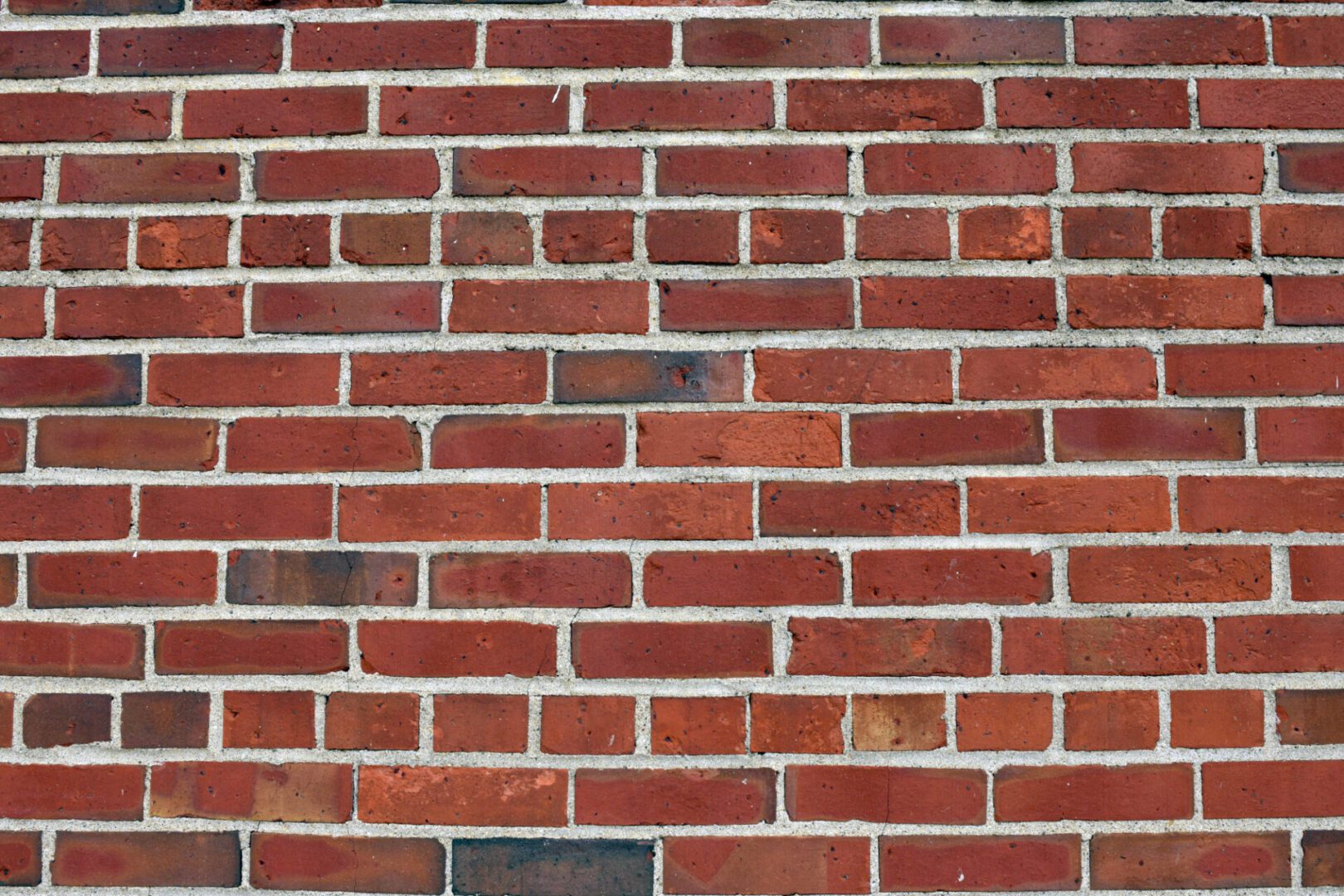
Not all arches have to be curved or pointed! This example can be seen on the Community of Hope Church on Jackson Street, originally built as the Trinity Methodist Church.
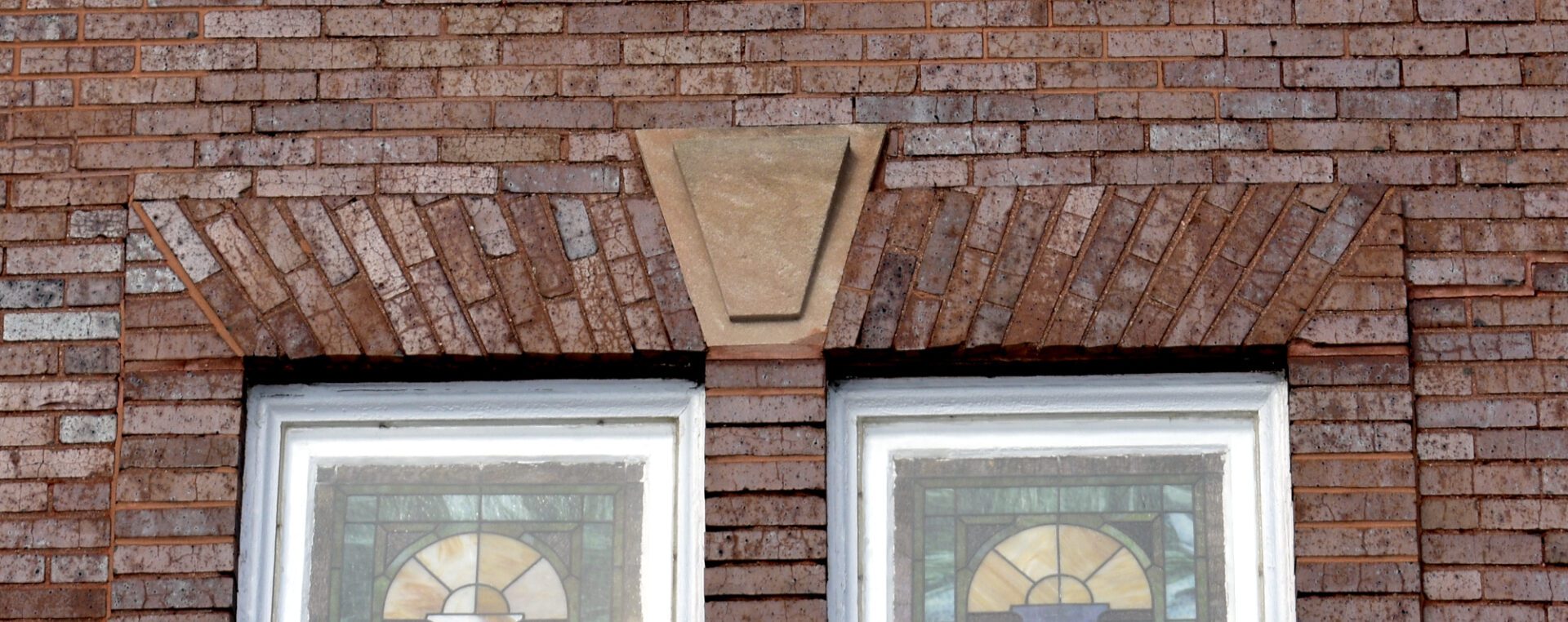
In this case, the bricks across the top of the windows form a jacked arch, in which the bricks are slanted each way away from the keystone, while the bottom of the arch remains flat. However, flat arches with straight (“soldier”) bricks without keystones are also common, although they are often not noticed as a type of arch. The use of a jacked arch and keystone on this church adds aesthetic interest to the façade as well as being an integral structural component.
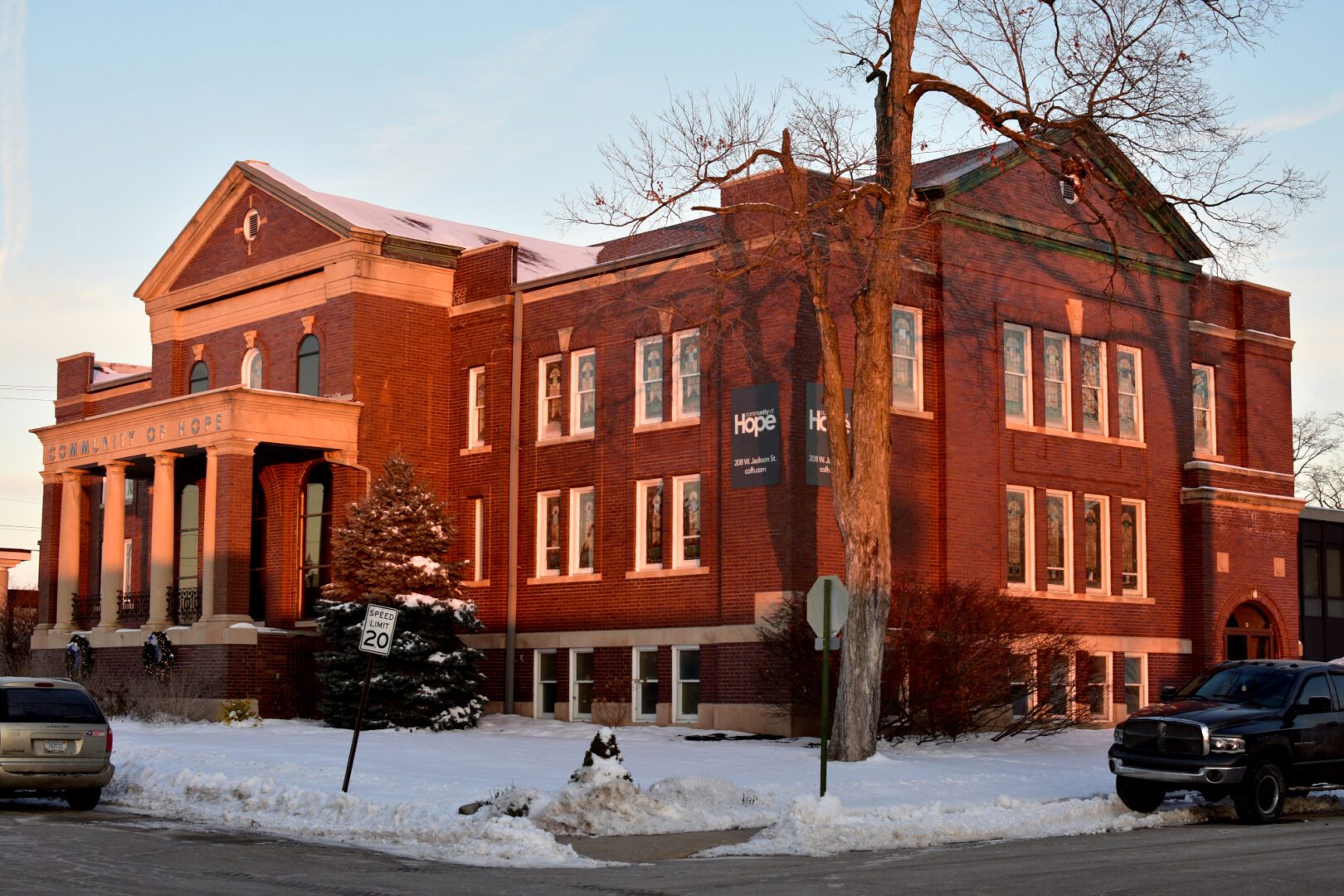
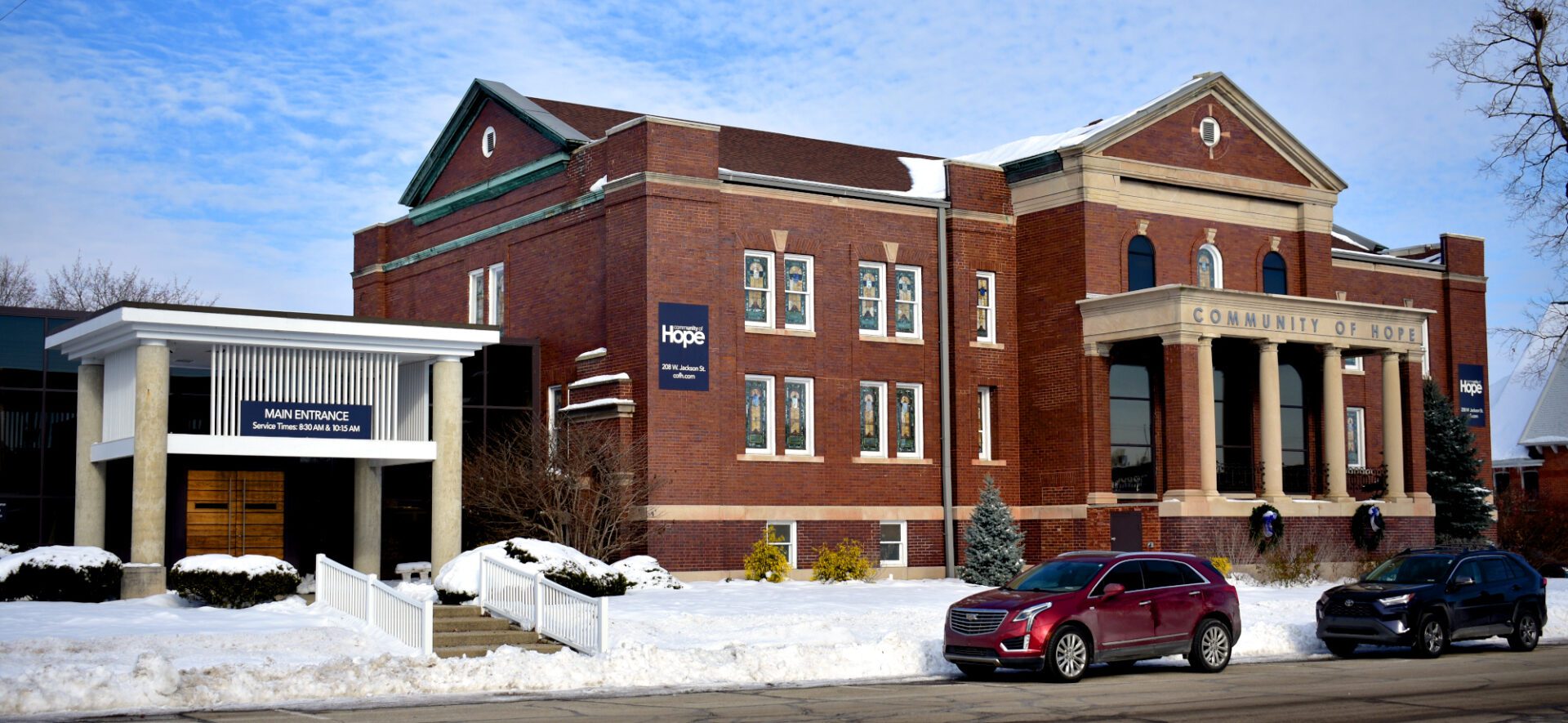
Thank you to Nathan Bilger for providing the recent photos and valuable insights into the architectural history.
For more Columbia City History, check out the Windows into History series at the Columbia City Connect’s website: Windows into History Archives – Columbia City Connect